Introduction
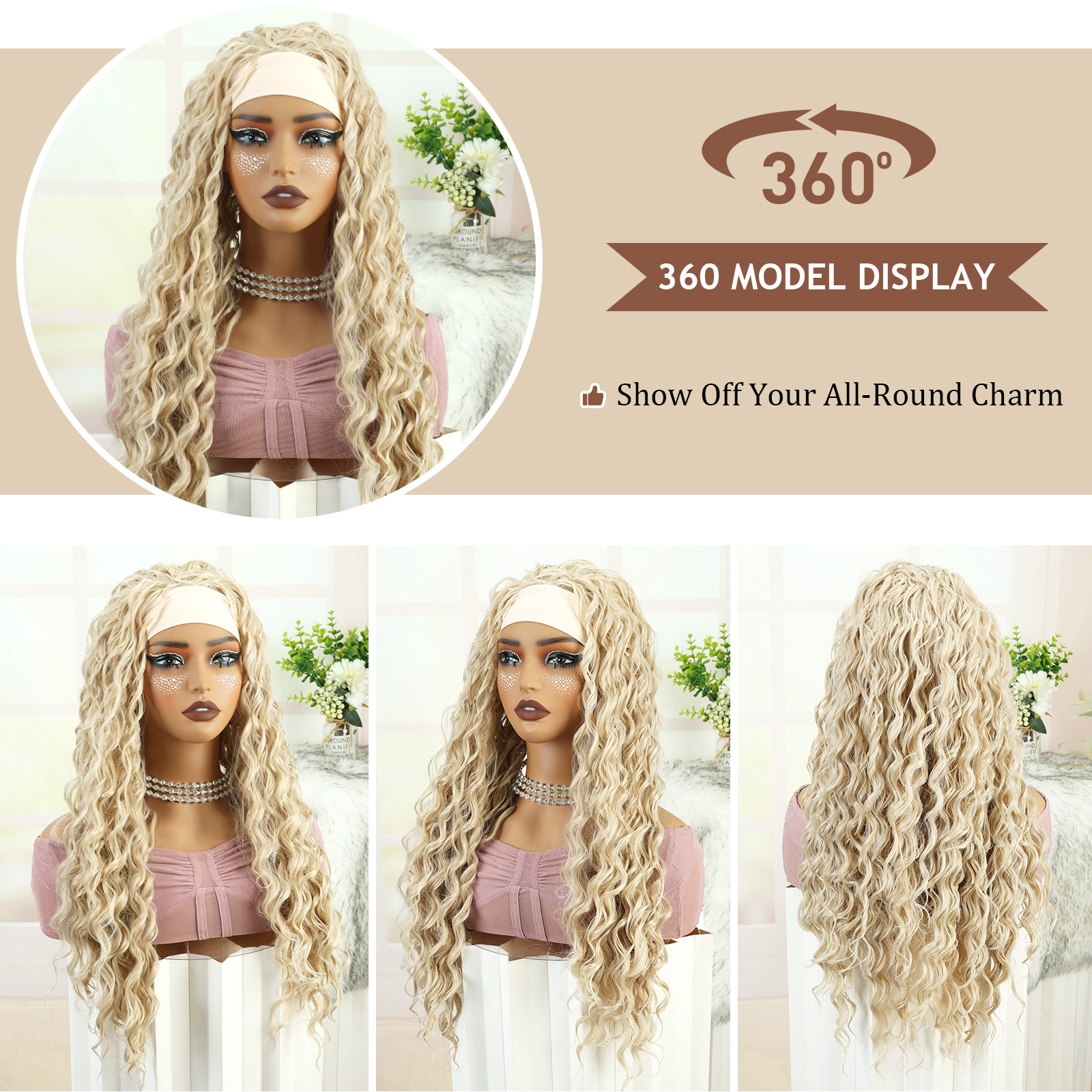
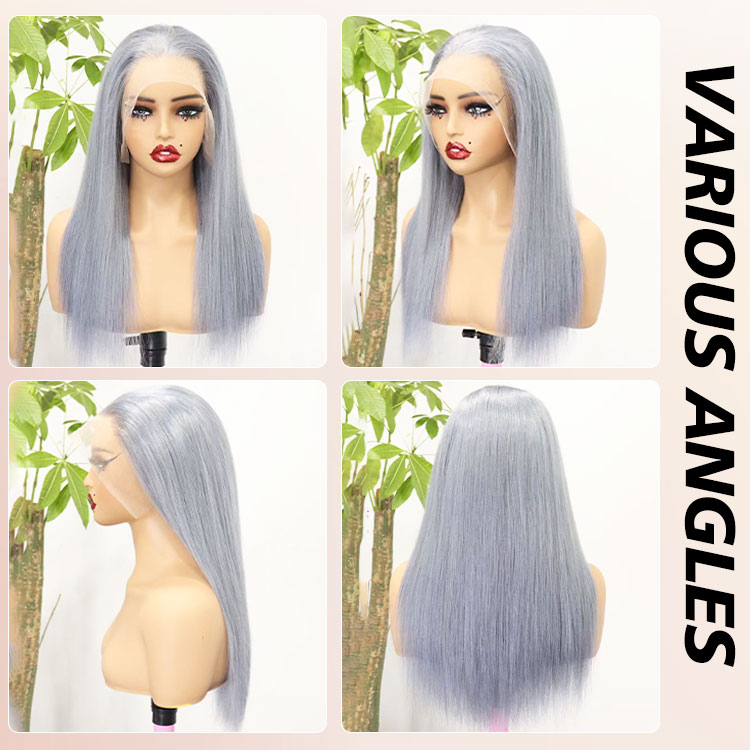
Hair extensions have become a popular fashion accessory, allowing individuals to change their hairstyles, add volume, and experiment with different lengths and colors. At the heart of this trend are hair extensions factories, particularly those in China, which have become the go-to source for high-quality human hair extensions. This article delves into the world of hair extensions factories, examining the production process, quality control measures, and the impact of these factories on the global market.
The Production Process in Hair Extensions Factories
Hair extensions factories are the cornerstone of the industry, responsible for the intricate process of transforming raw human hair into beautiful, wearable extensions. The production process typically involves several key steps:
- Sourcing the Hair: Ethical sourcing is paramount. Factories source hair from donors who consent to cut their hair, often in exchange for a financial compensation. The hair is collected in a way that maintains its natural quality.
- Cleaning and Sorting: Once collected, the hair undergoes a thorough cleaning process to remove any impurities. It is then sorted according to length, color, and quality, with the best hair being reserved for premium extensions.
- Processing: The hair is processed to ensure it is free of chemicals and ready for extension creation. This may involve bleaching and dyeing to achieve the desired color, as well as texturizing to match various hair types.
- Wefting or Clipping: Depending on the type of extension, the hair is wefted into strips or clipped into individual pieces. Wefted extensions are sewn together, while clip-in extensions have small clips attached for easy application.
- Quality Control: Rigorous quality checks are conducted at various stages of production to ensure that the extensions meet the highest standards.
Quality Control Measures
Quality control is a critical aspect of hair extensions factory operations:
- Material Inspection: The raw hair is inspected upon arrival to ensure it meets the factory’s standards.
- Production Monitoring: During production, the factory monitors the process to ensure consistency and quality.
- Final Inspection: Before shipping, each extension undergoes a final inspection to check for any defects or inconsistencies.
- Customer Feedback: Factories often rely on customer feedback to make improvements and address any recurring issues.
Impact on the Global Market
Hair extensions factories, especially those in China, have had a significant impact on the global market:
- Accessibility: By producing large volumes of hair extensions, factories have made them more accessible to consumers around the world.
- Competitive Pricing: Efficient production processes and economies of scale have allowed factories to offer competitive pricing, making hair extensions more affordable.
- Diverse Offerings: Hair extensions factories have expanded their product lines to include various types, styles, and colors, catering to a diverse customer base.
- Global Distribution: Chinese hair extensions factories have established distribution networks that span the globe, ensuring that their products reach a wide audience.
Challenges and Future Prospects
Despite their success, hair extensions factories face challenges that could influence their future:
- Sustainable Sourcing: Ensuring the sustainability of hair sourcing is essential, as is the ethical treatment of donors.
- Regulatory Compliance:ories must adhere to international regulations, which can be complex and subject to change.
- Innovation: The industry is constantly evolving, and factories must innovate to keep up with new trends and technologies.
Looking ahead, several prospects for growth are evident:
- Expansion into New Markets: Hair extensions factories can explore new markets and emerging economies where the demand for hair extensions is growing.
- Technological Advancements: The adoption of new technologies can improve production efficiency and reduce costs.
- Branding and Marketing: Establishing strong brands and effective marketing strategies can help factories differentiate themselves in a crowded market.
Conclusion
Hair extensions factories are at the forefront of a booming industry that allows individuals to express their personal style and enhance their natural beauty. The production of hair extensions is a complex and meticulous process that requires a commitment to quality and ethical practices. As hair extensions continue to gain popularity, factories must navigate challenges and embrace opportunities for growth and innovation. The impact of these factories on the global market is undeniable, and their future prospects are as promising as the diverse and beautiful hair extensions they produce.