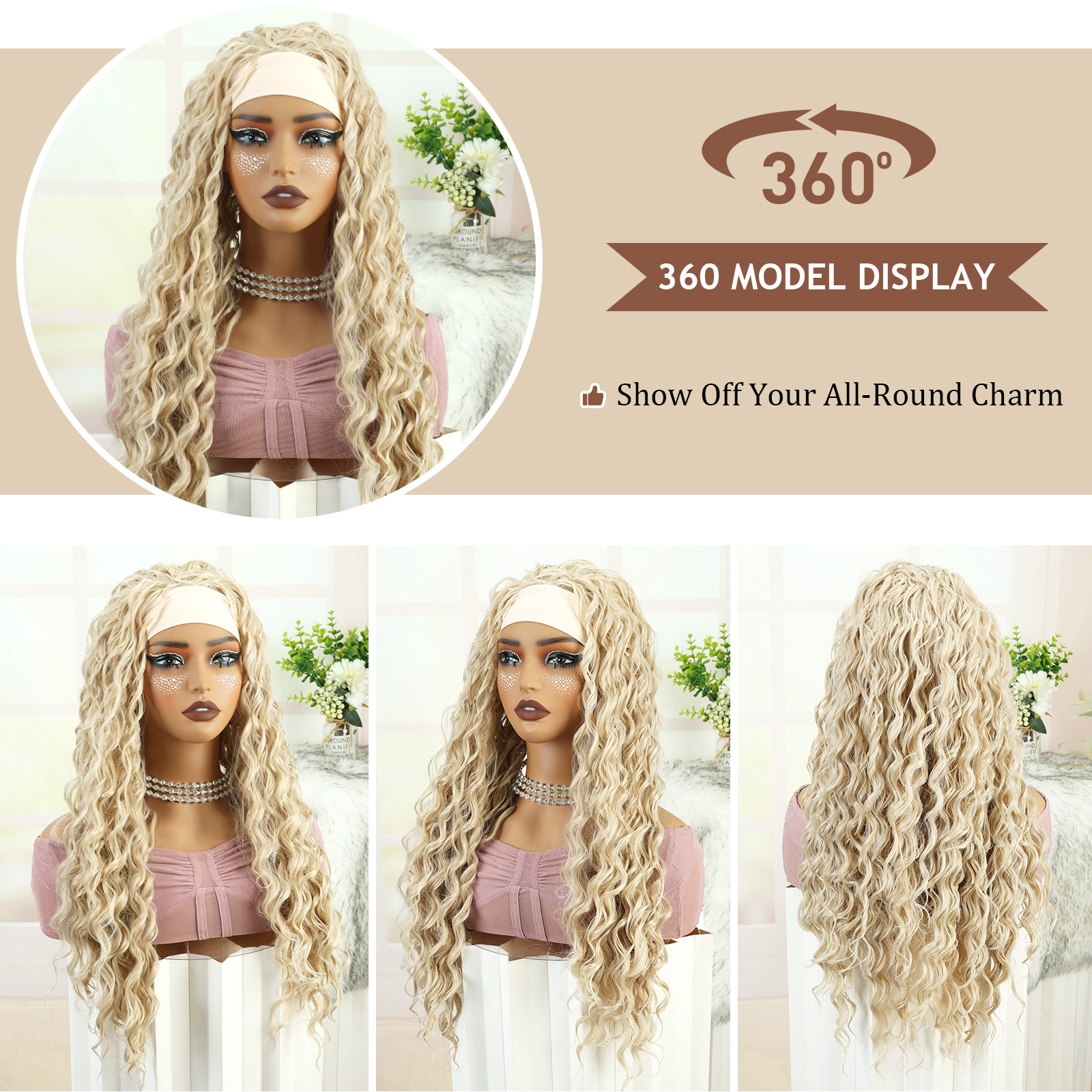
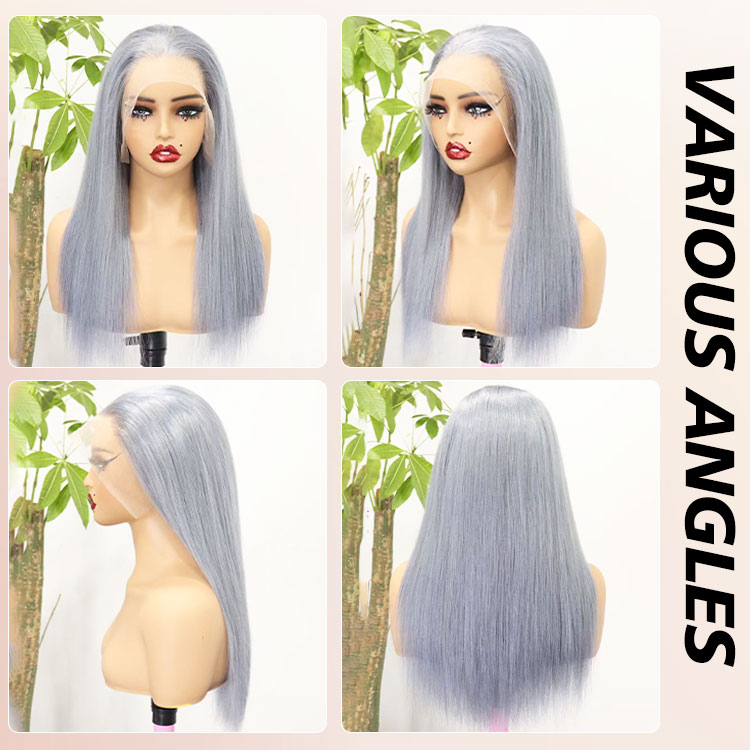
Hair braiding is an ancient craft that has been passed down through generations, symbolizing cultural heritage and individual expression. Human braids hair has gained significant attention in recent years, offering a versatile and stylish way to change one’s appearance without committing to a permanent haircut. This article delves into the world of human braids hair, its origins, popularity, and the various ways it is used in fashion and beauty.
The Evolution of Human Braids Hair
Human braids hair has evolved from a traditional cultural practice to a mainstream fashion trend:
- Cultural Significance: Braiding has deep roots in various cultures around the world, often symbolizing social status, spiritual beliefs, and tribal identity.
- Modern Adaptation: As fashion trends have evolved, braiding has been adapted into modern hair styling, offering a way to create intricate and temporary hair designs.
- Technological Advancements: The development of human hair extensions has allowed for the creation of pre-braided hair pieces, making it easier for individuals to achieve the braid look without the time-consuming process of braiding their natural hair.
The Popularity of Human Braids Hair
Several factors contribute to the rising popularity of human braids hair:
- Versatility: Braids can be styled in numerous ways, from simple three-strand braids to complex fishtail or Dutch braids, providing endless possibilities for creativity.
- Protection: Braiding hair can protect natural hair from damage, breakage, and environmental stressors, making it a popular choice for individuals looking to maintain healthy hair.
- Low Maintenance: Braided styles can often be worn for several days without the need for restyling, offering a low-maintenance option for busy lifestyles.
- Fashion Influencers: Celebrities and social media influencers have popularized braided styles, making them a sought-after look in the fashion world.
The Production of Human Braids Hair
The production of human braids hair involves several steps to ensure quality and customer satisfaction:
- Sourcing: Ethically sourced human hair is used to create braids, with a focus on quality and the natural appearance of the final product.
- Processing: The hair is processed to achieve the desired texture and color, often involving gentle treatments to maintain its health and shine.
- Braiding: Skilled artisans hand-braid the hair, ensuring tight, secure braids that can be easily attached or styled.
- Quality Control: Each braid undergoes rigorous quality control checks to ensure it meets the highest standards before being sold to consumers.
Types of Human Braids Hair
Human braids hair comes in various types, catering to different preferences and styles:
- Pre-Braided Extensions: These are ready-to-use braids that can be easily attached to natural hair, offering a quick and convenient styling option.
- Full Head Braids: For those looking for a complete braid transformation, full head braids are meticulously crafted to cover the entire head.
- Partial Braids: Partial braids involve braiding only sections of the hair, allowing for a mix of braided and natural hair styles.
- Colored Braids: Braids are available in a range of colors, from natural shades to vibrant hues, offering a way to add a pop of color to any hairstyle.
Impact on the Global Market
Human braids hair has had a significant impact on the global beauty market:
- Market Growth: The demand for human braids hair has led to market growth, with new products and styles being introduced regularly.
- Industry Innovation: The braiding industry has seen innovation in both styling techniques and the development of new hair products to support braided styles.
- Cultural Exchange: The popularity of braids has facilitated a cultural exchange, with braiding techniques and styles being shared and adapted across different cultures.
Challenges and Future Prospects
The human braids hair industry faces several challenges:
- Sustainability: Ensuring the sustainability of hair sourcing and the environmental impact of production processes is essential.
- Competition: The market is becoming increasingly competitive, with new brands entering the space.
- Regulatory Compliance: Adhering to international regulations regarding hair products and safety standards is crucial.
Looking to the future, the industry has several prospects:
- Expanding Product Range: Continual innovation can lead to the development of new braid styles and techniques.
- Global Expansion: Exploring new markets and targeting diverse consumer groups can drive growth.
- Educational Resources: Providing educational resources and styling guides can help consumers achieve the desired braid look and maintain the health of their hair.
Conclusion
Human braids hair represents a blend of cultural heritage and modern fashion, offering a versatile and protective styling option that has captivated the beauty industry. The rising popularity of braids is a testament to their ability to evolve with the times while staying true to their roots. As the industry continues to grow and innovate, it will be important to address challenges and look to the future with a focus on sustainability, quality, and customer satisfaction. The art of transformation through human braids hair is a beautiful reflection of human creativity and the timeless appeal of braided hairstyles.