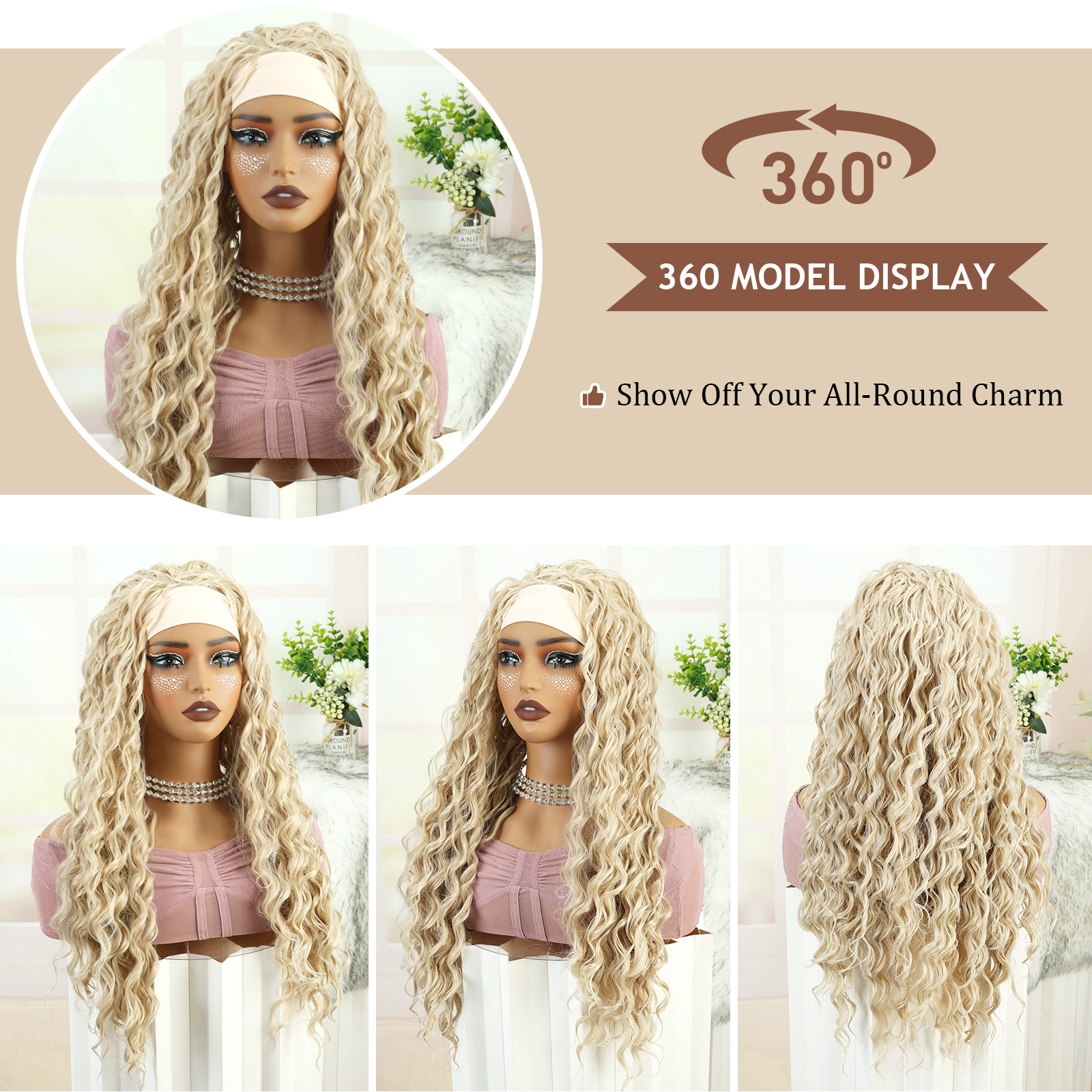
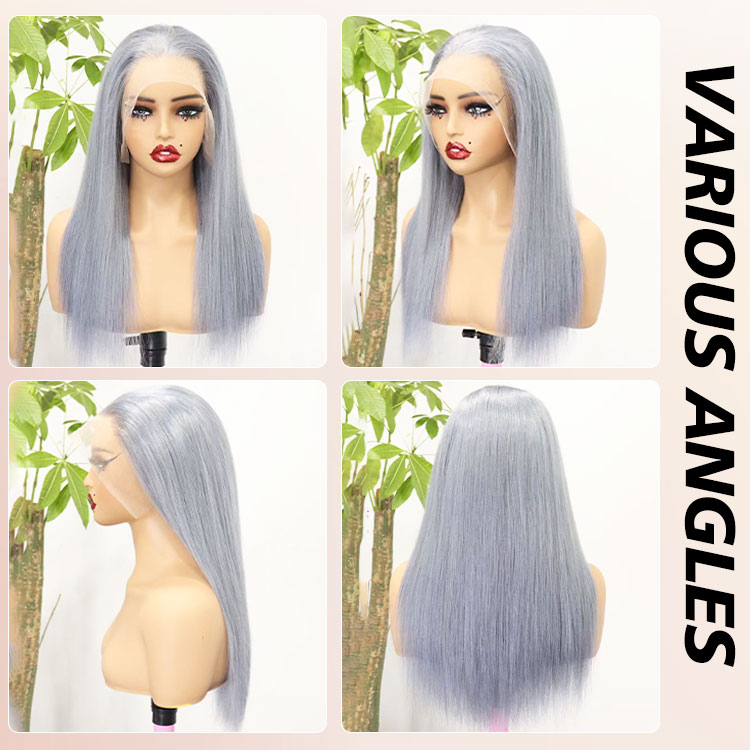
In the world of fashion and beauty, human hair extensions have become a popular accessory, offering individuals the opportunity to change their hairstyles and lengths effortlessly. At the heart of this thriving industry are human hair factories, which supply the highest quality hair products to meet the demands of a global market. This article explores the significance of human hair factories, their production processes, and their role in enhancing natural beauty.
The Significance of Human Hair Factories
Human hair factories play a crucial role in the beauty industry by providing a natural and versatile solution for those seeking to alter their hair appearance. These factories are responsible for the following:
- Sourcing Quality Hair: They ethically source human hair from various regions, ensuring that the hair is healthy, clean, and free from damage.
- Processing Techniques: Human hair factories employ advanced processing techniques to sanitize, grade, and prepare the hair for use in extensions, weaves, and wigs.
- Product Diversity: They offer a wide range of hair types, lengths, and colors, catering to the diverse needs and preferences of customers worldwide.
- Innovation: These factories continuously innovate to improve hair quality, develop new products, and implement sustainable practices.
The Production Process
The journey from raw human hair to finished hair products is a meticulous process that involves several key steps:
- Sourcing: Hair is sourced from donors who are carefully selected to ensure the quality and health of the hair. This process is conducted with respect for the donors and in accordance with ethical guidelines.
- Washing and Sanitization: The collected hair is thoroughly washed and sanitized to remove any impurities, oils, and bacteria, ensuring a clean and safe product.
- Sorting and Grading: Hair is sorted by length, color, and quality. This step is crucial in determining the grade of the hair and the type of product it will be used for.
- Cutting and Wefting: The sorted hair is cut and wefted, creating the base for extensions and weaves. This process requires precision and craftsmanship to maintain the hair’s natural integrity.
- Quality Control: Rigorous quality control measures are implemented at every stage of production to ensure that the final product meets the highest standards.
- Packaging and Distribution: Once the hair products are ready, they are carefully packaged and distributed to wholesalers, retailers, and ultimately, consumers.
The Impact of Human Hair Factories on the Beauty Industry
Human hair factories have a significant impact on the beauty industry:
- Meeting Consumer Demand: By providing a wide range of human hair products, factories meet the growing demand for natural and versatile hair solutions.
- Supporting Fashion Trends: Human hair extensions and wigs allow individuals to experiment with different hairstyles, supporting the ever-changing fashion trends.
- Economic Growth: The human hair industry contributes to economic growth, providing employment opportunities and supporting local economies in regions where hair is sourced.
- Promoting Natural Beauty: Human hair products allow individuals to enhance their natural beauty while maintaining a sense of authenticity and realism.
Challenges and Considerations
Despite their importance, human hair factories face several challenges and considerations:
- Ethical Sourcing: Ensuring ethical sourcing practices is crucial to maintain the integrity of the industry and the trust of consumers.
- Quality Control: Maintaining consistent quality across all products is essential, requiring strict quality control measures.
- Sustainability: Human hair factories must adopt sustainable practices to minimize environmental impact and promote long-term industry growth.
- Regulatory Compliance: Adhering to international regulations and standards is necessary to operate within legal frameworks and protect consumer safety.
Strategies for Future Growth
To sustain and enhance future growth, human hair factories can adopt the following strategies:
- Investing in R&D: Continuously investing in research and development will drive innovation and improve product quality.
- Expanding Ethical Sourcing: Building stronger relationships with ethical hair collectors and donors will ensure a sustainable supply chain.
- Enhancing Customer Experience: Providing exceptional customer service, including personalized consultations and aftercare support, will enhance customer satisfaction and loyalty.
- Adopting Sustainable Practices: Implementing eco-friendly processes and materials will demonstrate a commitment to environmental responsibility.
The Future of Human Hair Factories
The future of human hair factories looks promising, driven by several key trends:
- Technological Advancements: The integration of technology in the production process will lead to more efficient and precise manufacturing techniques.
- Increased Demand: As more individuals seek natural hair solutions, the demand for high-quality human hair products will continue to grow.
- Sustainability Focus: Consumers are increasingly conscious of sustainability, and factories that prioritize eco-friendly practices will gain a competitive edge.
- Customization: Offering customization options will allow consumers to tailor hair products to their specific needs and preferences.
Conclusion
Human hair factories are the cornerstone of the beauty industry, providing individuals with the means to express their personal style and enhance their natural beauty. Through their meticulous production processes, commitment to quality, and focus on ethical practices, these factories have earned their place as trusted suppliers of human hair products. As the industry evolves, human hair factories will continue to play a vital role in shaping beauty trends and offering innovative solutions that meet the ever-changing demands of consumers.